


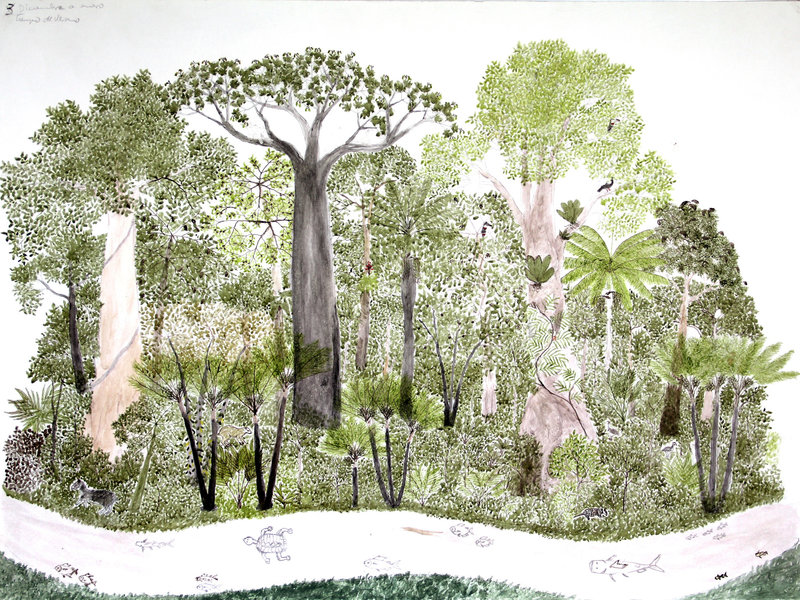
Name and Draw: An Exploration of Communicating Traditional Knowledge in the Work of Abel Rodríguez
Indigenous peoples possess a close and complex relationship with their surroundings and have gathered from their traditions and life experiences invaluable and extensive knowledge of a wide range of academic research areas.

What Water Teaches: Wissenschaft in the Age of Sea Level Rise
Does the sense of urgency occasioned by global warming and sea level rise have the power to reshape the humanities? Insofar as sea level rise will affect thousands of institutions of education and culture in coastal cities, the answer is yes.
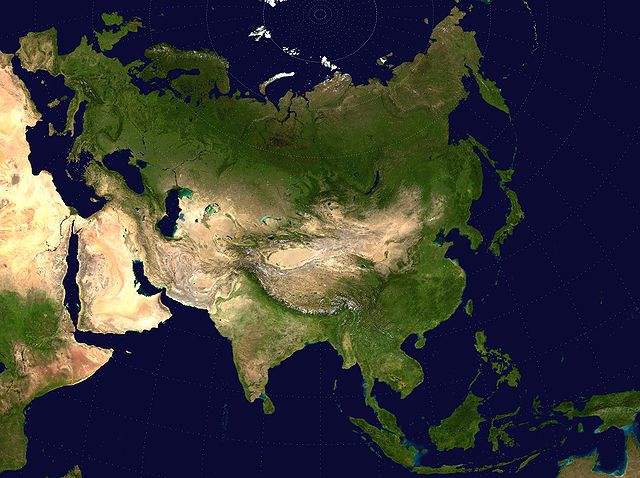
Re-imagining World Spaces: The New Relevance of Eurasia
Although we often think about geographical continents as fixed natural entities, they are in fact also the product of imaginative construction. The most recent example of this process is the emergence of the continental concept of "Eurasia."
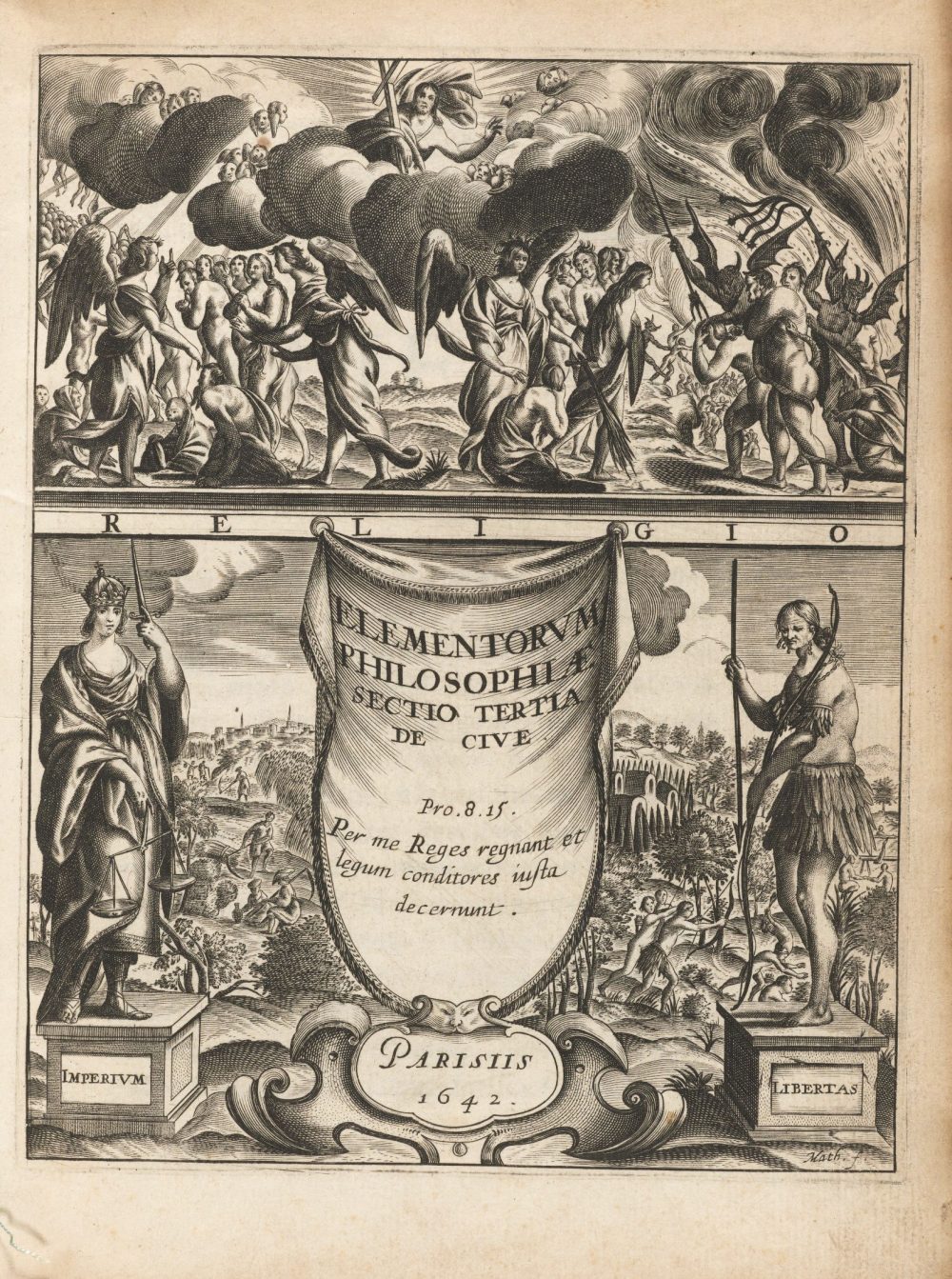
End of Translation
Translation lies at the core of contemporary humanistic study and serves also to define and guard its boundaries.

An Alternative Paradigm for Studying and Performing Athenian Drama
Ancient Athenian drama is most often viewed through the lens of contemporary professional theater in which there is not necessarily any social, structural, or political connection between theater and audience. Closer examination reveals, however, that this drama much more closely resembles modern community theater, which has strong ties to local issues, politics, and audiences.
Reflections on Higher Education in the Global Age
Begotten in the twentieth century, the subfield of political theory is unthinkable without reference to the two Great Wars in Europe, and to the questions they raised about modernity: what was political theory; against what backdrop must it be understood; was its foundation faulty; what is its future?

Ritual Studies: Practicing the Craft
Ritual studies emerged as an interdisciplinary field in the 1970s. For scholars in the humanities this emergence was itself a paradigm shift away from “textualism,” an excessive preoccupation with written texts.

Ancient Comedy, Women’s Lives: Finding Social History and Seeing the Present in Classical Comedy
This essay proposes that the study of Classics, the ancient Greco-Roman world, remains vital for the future of humanities and, indeed, for the future of the university.
Why a Humanities Lab in Angola? A Few Remarks on Critical Thinking and the Relevance of a ‘Public Humanities’ Concept
This working paper is structured around five topics: (i) a brief summary of Angola’s contemporary history and a presentation of Angola’s main human development indicators; (ii) a brief presentation of the Faculty of Social Sciences at Agostinho Neto University (Luanda); (iii) a more detailed presentation of CIESO (Centre for Sociological Studies and Research) and its main activities and projects; (iv) a presentation of the Humanities Lab project and (v) the Humanities Lab project’s philosophy.

On Close Reading and Sound Recording
The emerging interdisciplinary nexus of sound studies has brought us rich sound-centered histories and ethnographies and opened up illuminating theoretical questions about the ontologies of sound, music, and the voice.
Black History, Islam, and the Future of the Humanities Beyond White Supremacy
Interpreting Islam as a form of Black history offers a scholarly framework for reimagining the humanities beyond white supremacy. This paper theorizes such a framework first by showing how modern Black people in Africa and the African diaspora constructed Islam as a religion and civilization of resistance to Euro-American imperialism and anti-Black racism.
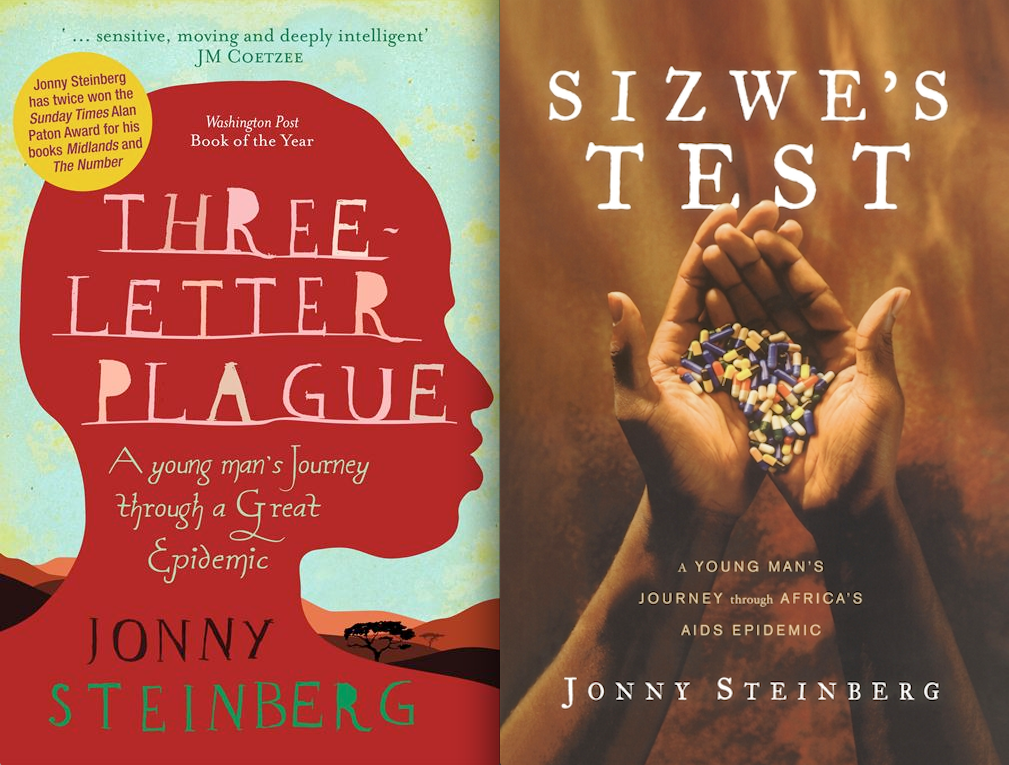
Global Health & Comparative Literature: Perspectives from HIV in South Africa
The title of this paper references five terms of specific importance to my understanding of global health humanities, as the subfield has emerged since the latter part of the twentieth century. The first and second terms—global health and comparative literature—juxtapose two domains of knowledge often held apart disciplinarily: in other words, they are considered two modern disciplines often thought of as methodologically, and even incommensurably, distinct.


